Tree removal in the UK typically costs between £150 and £3,000. Most homeowners pay around £500 to £1,190 for standard jobs. The final price hinges on five factors: tree height, species, location accessibility, whether a Tree Preservation Order (TPO) applies, and whether you need stump grinding or emergency callout. A small apple tree under 25 feet might cost £240. A mature oak over 60 feet near power lines—with crane hire, permits, and specialist rigging factored in—can exceed £3,500.
Tree removal refers to the complete felling, sectional dismantling, or climbing take-down of a tree, followed by debris removal and optional stump grinding. It differs from tree surgery (crown reduction, pruning) and requires qualified arborists with NPTC or LANTRA certification, public liability insurance of at least £10 million, and compliance with local authority planning rules if the tree is protected.
Key Takeaways
- Small trees (up to 25 feet) cost around £150; trees over 60 feet in complex urban settings exceed £3,000. Most jobs land between £500 and £1,190.
- Protected species and TPO orders add £200–£500 in permit costs. Removal without permission carries fines up to £20,000 in Magistrates' Court or unlimited penalties in Crown Court.
- Stump grinding runs £100–£550 and is often excluded from initial quotes—always ask whether it's included.
- Emergency callouts (storm damage, fallen trees) cost 25–50% more than scheduled work. Factor this into any budget if weather is unstable.
- Crane access for tall or confined trees adds £500–£1,500+, especially in London and the South East where permits and road restrictions multiply complexity and cost.
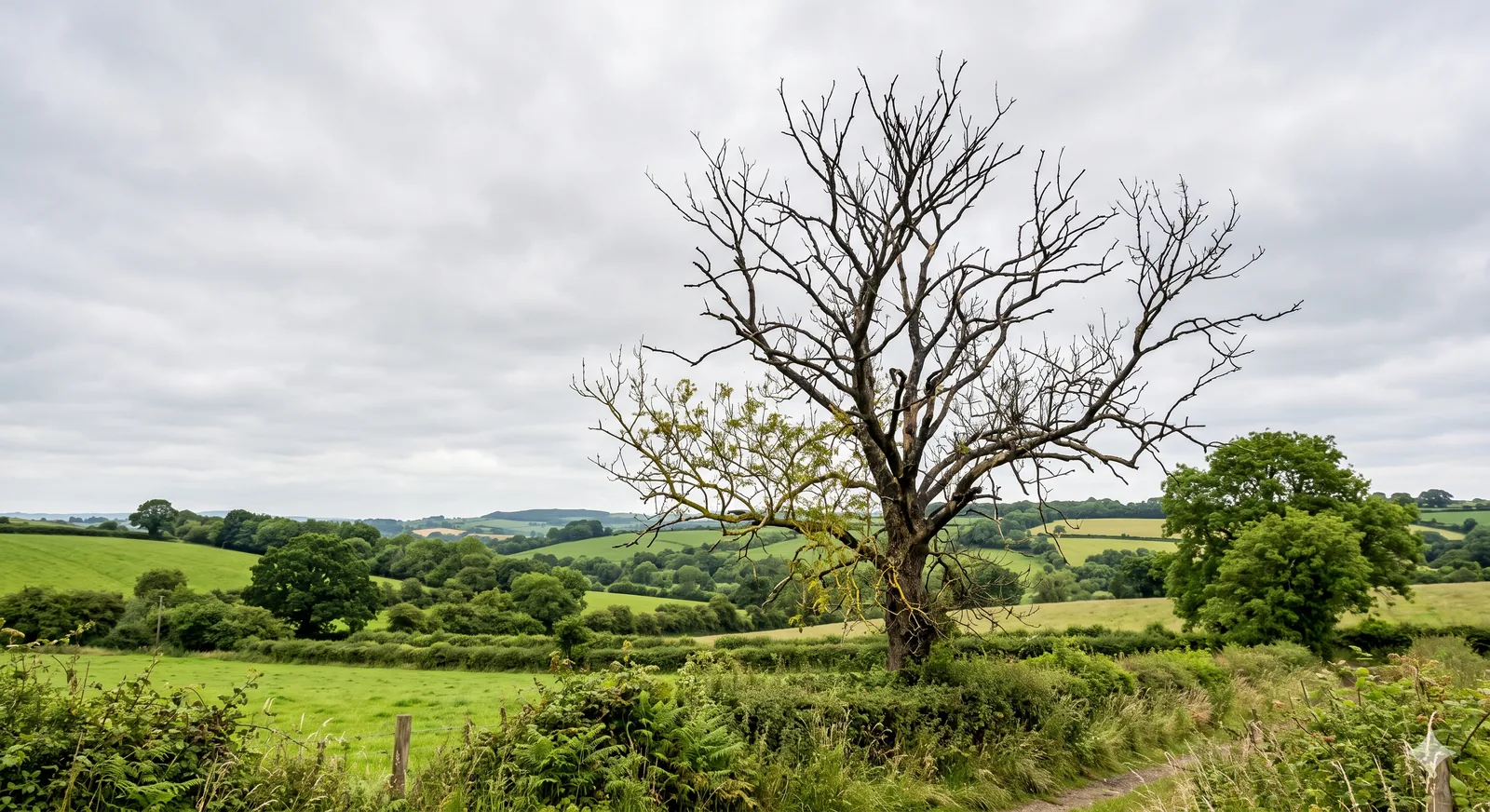
What Factors Affect the Price of Tree Removal?
Five core variables determine cost: height and size, species and wood density, location and accessibility, root system complexity, and whether the job is urgent. A 40-foot sycamore in an open rural garden costs far less than the same tree wedged between two Victorian terraces with overhead cables and no vehicle access.
Tree size is the single biggest cost driver. Small trees up to 30 feet can often be felled in one piece using a chainsaw and manual rigging—expect £150–£500. Medium trees between 30 and 60 feet require climbing harnesses, sectional cutting, and sometimes a cherry picker; these run £500–£1,500. Large trees over 60 feet demand specialist teams, cranes, road closures, and multi-day work. Costs start at £1,500 and can reach £3,000 or beyond for veteran oaks or elms. At that price point, you're paying for safety equipment, complex logistics, and highly experienced crews.
Species matters. Hardwoods like oak, beech, and ash take longer to cut and generate heavier debris that's harder to move. Softwoods like pine and spruce fell faster but may be less stable. Protected species—trees hosting bat roosts or nesting birds—require ecological surveys and seasonal work windows, adding £200–£500 to the bill. This also delays removal by weeks or months, which matters if the tree is damaged or threatening a building.
Accessibility shapes the quote as much as the tree itself. If a crane or tracked chipper can park within five metres, costs stay moderate. If the team must hand-carry equipment down a narrow alley, rig pulleys over a neighbour's roof, or apply for a council parking suspension, labour hours—and your invoice—can double. Urban jobs in London, Bristol, and Manchester routinely cost 20–30% more than equivalent rural work due to permit fees, restricted access, and higher day rates.
How does tree height impact removal costs?
Height determines whether a tree surgeon can work from the ground, needs climbing gear, or must hire a mobile elevated work platform (MEWP) or crane. Trees under 25 feet rarely need rope access: expect £240–£340. Trees between 30 and 50 feet require harnesses, rigging, and sometimes a two-person team—that's £410–£1,720. Trees over 60 feet almost always need a crane or specialist rigging. Equipment hire alone adds at least £500, pushing total costs to £1,700–£2,450 or higher.
Why do protected species cost more to remove?
Trees under a Tree Preservation Order (TPO), within a Conservation Area, or hosting protected wildlife cannot be removed without written consent from your local planning authority. Applying for permission takes time and sometimes money—many councils charge £200+ for TPO applications. If the tree hosts bats, nesting birds, or rare lichens, you'll need an ecological survey (£300–£800) and may only be allowed to work outside breeding season (March–August). Here's the real risk: removing a protected tree without permission can result in fines up to £20,000 or unlimited penalties if prosecuted in Crown Court, plus a legal duty to replant.
Average Tree Removal Costs by Size Category
UK tree surgeons quote by size bracket because height and spread determine labour hours, equipment needs, and debris volume. The table below shows typical price ranges for straightforward removals with standard access. Your actual quote may be higher if crane hire, permits, or stump grinding are needed.
| Tree height | Typical cost range | Job duration | Common examples |
|---|---|---|---|
| Up to 25 ft | £240–£340 | Half day | Young apple, rowan, silver birch |
| Up to 30 ft | £410–£590 | 1 day | Mature cherry, hawthorn, small sycamore |
| Up to 50 ft | £1,190–£1,720 | 1–2 days | Medium oak, ash, lime |
| 60 ft and above | £1,700–£2,450+ | 2–3 days | Large oak, elm, veteran beech |
These figures assume good access, no overhead wires, no TPO, and debris chipped on site. Add-ons increase the total: stump grinding (£100–£300 for most domestic stumps), waste removal if chippings can't be left (£50–£200), and crane hire for confined sites (£500–£1,500). If the tree is leaning over a building, touching power lines, or requires a road closure, expect quotes at the top end or beyond.
Labour rates vary by region and team size. Solo tree surgeons in rural Wales or Scotland charge £250–£300 per day; a three-person crew in Greater London typically commands £600–£900 daily. Hourly rates range from £25 to £50, averaging £30–£35 outside the capital.
How much does it cost to remove a large oak tree?
A mature English oak standing 50 feet tall in an open garden with straightforward access costs around £1,430 on average. If the oak is 70 feet, adjacent to buildings, or under a TPO, the price climbs to £2,800–£4,800. Veteran oaks with trunks over one metre diameter, complex branch structures, and heritage value may require specialist consulting arborists, ecological surveys, and phased removal over multiple visits. Full projects can exceed £5,000.
What's the cheapest way to remove a small tree?
For trees under 20 feet with trunks less than six inches in diameter, cost-effectiveness depends on timing and willingness to keep waste. Hire a local tree surgeon during their quiet season (late autumn or winter) and agree to keep the chipped wood for mulch or firewood. This can reduce a £400 quote to £250–£300. Never attempt DIY felling unless you have training, insurance, and the tree is well away from buildings, boundaries, and utilities. Homeowner accidents account for dozens of serious injuries each year and can void your home insurance if something goes wrong.
Hidden Costs You Might Not Expect
Beyond the headline removal price, several charges catch homeowners by surprise. Call-out fees for quotes and site surveys range from £50 to £150, though many firms waive this if you proceed with the work. If the tree surgeon discovers asbestos-cement sheeting, underground cables, or a wasps' nest during the job, expect additional charges for specialist disposal, utility notifications, or pest control—sometimes £200–£400 on top of the original quote.
Crane hire is one of the largest hidden costs. In tight urban sites where a MEWP can't reach or the tree overhangs a neighbour's property, a mobile crane becomes essential. Crane hire starts at £500 for half a day and can reach £1,500+ if road closures, council permits, or extended hours are needed. In London boroughs, temporary road closure permits alone cost £100–£300 and take two weeks to process. Plan your timeline around this delay if you're in a rush.
Tree Preservation Orders introduce both time and money costs. Applying for consent to remove or prune a protected tree is free in some councils but costs £200–£500 in others, and the decision can take eight to twelve weeks. If consent is refused, you're left with an unsafe tree and potential liability if it later falls and causes damage. Removing a TPO tree without permission carries fines up to £20,000 in Magistrates' Court or unlimited fines (plus criminal conviction) in Crown Court, and you'll be ordered to replant at your own expense.
Waste removal and environmental disposal fees apply if you can't keep chippings or logs. Licenced waste carriers charge £100–£400 depending on volume and distance to the nearest green waste facility. Diseased trees—ash dieback, Phytophthora ramorum—must follow Forestry Commission biosecurity rules, sometimes requiring specialist incineration and adding £200+ to the bill.
Confusion between crown reduction and full removal often leads to sticker shock. Crown reduction (trimming the canopy whilst keeping the tree alive) costs £300–£1,000 for a medium tree and is sometimes the only option permitted for TPO trees. Full removal costs significantly more but is permanent. Always clarify which service you're being quoted for, especially when dealing with protected or boundary trees where your legal options may be limited.
Do I need permission to remove a tree UK?
You need permission if the tree is protected by a Tree Preservation Order, stands in a Conservation Area, or forms part of a planning condition attached to your property. Check your local council's online planning register or call the tree officer to confirm. Trees in Conservation Areas require six weeks' written notice before any work; the council can impose a temporary TPO during that window. If no protection applies and the tree is entirely on your land, you can remove it without permission—but you remain liable for damage to neighbouring property, and you must not trespass onto a neighbour's land or airspace without consent.
What happens if I remove a protected tree illegally?
Removing a tree protected by a TPO without consent is a criminal offence under the Town and Country Planning Act 1990. Magistrates' Courts can fine you up to £20,000; if the case goes to Crown Court, fines are unlimited. Councils can also issue an enforcement notice requiring you to replant a tree of similar species and maturity, which for a large oak might mean sourcing and planting a semi-mature specimen costing £5,000–£15,000. The conviction remains on your record and can reduce your property value and complicate future planning applications.
Here's what this means in practice: if you're caught, you won't just pay the fine. The council will force you to restore what you've removed, often at far greater cost than the original removal would have been. A property with an illegal felling on its history can take years to sell, and buyers will demand a discount to offset the risk of further enforcement action against them.
"Urban tree removal in Greater London costs 20–30% more than equivalent rural jobs due to permit fees, restricted access, and day rates that can reach £900 for a three-person crew—compared to £250–£300 for a solo contractor in rural Wales."
Regional Price Variations Across the UK
Where you live significantly affects what you pay. London and the South East command the highest rates due to congestion, parking restrictions, higher wages, and dense housing that limits crane access. A job quoted at £1,200 in Devon might cost £1,600–£1,800 in Surrey or £2,000+ in inner London boroughs. Contractors in the capital regularly charge £600–£900 per day for a three-person team, compared to £400–£600 in the Midlands and £300–£500 in rural Scotland or Wales.
Mid-range pricing in the North West and Midlands reflects something worth noting: Manchester, Birmingham, and Liverpool have enough competition to keep prices moderate, but urban density still inflates costs compared to surrounding countryside. Expect to pay 10–15% more in city centres than in Cheshire villages or Shropshire market towns.
Scotland and Wales generally offer lower hourly rates outside Edinburgh, Glasgow, and Cardiff. A tree surgeon in the Highlands might charge £250 per day, but travel costs add up if you're remote. Some firms levy £50–£100 travel fees for jobs more than 30 miles from their base. Welsh councils vary widely in TPO application fees and processing times, so always check local planning authority websites before assuming costs.
Rural areas benefit from lower labour costs but can face higher travel and equipment transport fees. If the nearest crane depot is 40 miles away, the hire company adds fuel and driver time. Similarly, waste disposal costs rise if the nearest licenced green waste site is an hour's drive. Get written quotes that itemise travel, permits, and disposal separately—this is the only way to compare like-for-like.
Why is tree removal more expensive in London?
London prices reflect higher overheads: contractors pay more for insurance, fuel, parking, and wages. Parking suspensions for crane access cost £100–£300 per bay per day, and many boroughs require two weeks' notice. Congestion and the Ultra Low Emission Zone (ULEZ) add daily charges for older diesel chippers and vehicles. Skilled climbers command £200+ per day in the capital compared to £120–£150 in northern England. London's dense Victorian and Edwardian housing means more complex rigging, narrow access, and higher public liability risk—all of which push up quotes.
Should You Hire a Professional vs DIY Removal?
Professional tree surgeons carry NPTC (National Proficiency Tests Council) or LANTRA qualifications in chainsaw use, aerial tree work, and rigging. They hold public liability insurance of £10 million or more, own or hire proper equipment (harnesses, rigging ropes, wood chippers), and understand legal responsibilities around TPOs, neighbour boundaries, and wildlife protection. Hiring a qualified arborist costs more upfront but transfers all risk and ensures the job meets legal and safety standards.
DIY tree removal is legal for homeowners on their own property. The risks, though—they're severe. Trees fall unpredictably, especially if they're leaning, diseased, or under tension. Every year dozens of people are seriously injured or killed attempting to fell trees without training. If your DIY felling damages a neighbour's conservatory, fence, or vehicle, you're personally liable. Your home insurance may refuse the claim if you weren't qualified or the tree was protected. Damage awards can easily reach £5,000–£20,000 for structural repairs, and you'll still need to pay a professional to finish the job safely.
DIY is only appropriate for small branches under two inches in diameter, ground-level cutting with a pruning saw, and situations where there's no risk of the wood falling onto buildings, people, or power lines. Never climb a tree with a chainsaw unless you've completed certified training. Never fell a tree taller than 15 feet without professional advice. Never touch a tree near overhead power lines—contact with 11,000-volt lines is instantly fatal, and even nearby lines can arc across several metres.
Professional removal includes debris chipping and removal—something DIY rarely accounts for. A mature tree generates several tonnes of wood and branches. Hiring a skip or taking multiple carloads to the tip costs £100–£300, eroding any savings from skipping the contractor.
Is it safe to cut down a tree myself?
It's legal but rarely safe unless you have formal training, appropriate PPE (helmet, visor, chainsaw trousers, steel-toe boots, gloves), a well-maintained chainsaw, and the tree is small, healthy, and far from buildings or boundaries. The Health and Safety Executive records multiple fatalities each year from DIY tree work, most involving kickback, falling limbs, or misjudged felling direction. If the tree is over 15 feet, leaning, dead, diseased, or near power lines, hiring a professional isn't just safer—it's the only sensible option.
Money-Saving Tips Without Compromising Safety
Timing your removal during the off-season—late autumn through winter—can save 10–15%. Tree surgeons are quieter between November and February (outside nesting season and peak garden work), and many offer discounts to fill their diaries. Avoid peak summer months when every homeowner wants tree work done.
Combining multiple jobs with one contractor saves setup and travel time. Need three small trees removed? Negotiate a package price rather than three separate quotes. Contractors can save half a day's mobilisation and often discount the total by 15–25% when they can do everything in one visit.
Accepting chipped wood instead of paying for stump grinding and removal can save £150–£300. If the stump isn't in the way of paving, planting, or building work, leaving it to decompose naturally avoids the cost of full extraction. You can use chipped branches as garden mulch, reducing your need to buy bark or compost.
Get at least three written quotes. Prices for the same job can vary by £500–£1,000 depending on the contractor's schedule, equipment ownership (firms that own their chipper cost less than those hiring one), and how they calculate day rates. Written quotes protect you from surprise charges—verbal estimates often exclude stump grinding, waste disposal, or permit fees.
Ask whether your council offers grants or discounts for TPO tree work. Some local authorities subsidise removal or replacement planting of dangerous protected trees, particularly in conservation areas where public safety is a concern. It's worth a phone call to the tree officer before you commit to paying full price.
Check whether your home insurance covers tree removal after storm damage. Many policies include £500–£1,500 for emergency tree work if the tree has fallen onto your house, blocked your drive, or caused structural damage. You'll still pay the excess, but it can reduce a £2,000 bill to a manageable amount.
How much can I save by removing a tree in winter?
Winter discounts typically range from 10% to 15% compared to peak summer rates, translating to £100–£300 saved on a medium-sized tree. Contractors have fewer bookings between November and February and are more willing to negotiate, especially for straightforward jobs that don't require working around nesting birds or school holidays. Just ensure the ground isn't frozen solid or waterlogged, which can make safe access harder and increase the risk of ground damage from heavy machinery.
Real Examples of UK Tree Removal Costs (Case Studies)
A 40-foot oak in a suburban London garden with vehicle access and no overhead obstacles cost a Croydon homeowner £1,350 in early 2026. The job took one and a half days with a two-person team, included stump grinding, and left chipped wood on site as mulch. The quote was mid-range for the South East and reflected London labour rates but benefited from easy crane access from the street.
Rural Devon saw a 25-foot apple tree removed for £450. The contractor worked solo, felled the tree in one piece, chipped the branches, and left the stump flush with the lawn. Scheduling the work in January and agreeing to keep the logs for firewood helped the homeowner save significantly.
A 70-foot elm on a residential street in Bristol, covered by a TPO and near overhead power lines, cost £3,200. This price included a £300 TPO application fee (paid by the homeowner before consent was granted), three days' work by a specialist rigging team, temporary traffic management, and liaison with the local electricity distribution network operator to isolate the cables. The council granted consent only because the tree had advanced Dutch elm disease and posed a public safety risk.
An emergency callout in Edinburgh after the February 2026 storms saw a homeowner pay £1,800 to remove a 35-foot Scots pine that had split and fallen across her driveway. The same tree would have cost around £700 as a planned removal, but the emergency rate (out-of-hours attendance, same-day response, and priority scheduling) added roughly 150% to the base price. Her buildings insurance covered £1,200, leaving a £600 shortfall plus the policy excess.
Three small ornamental trees (two 20-foot rowans and a 15-foot cherry) in a Manchester suburban garden were removed together for £1,400 in March 2026. Quoted separately, each would have cost £500–£600, but the contractor offered a package discount because he could complete all three in a single day. The homeowner saved approximately £400 compared to booking three individual jobs.
Questions You Should Ask Your Tree Surgeon Before Hiring
Before accepting any quote, confirm that the contractor holds current NPTC or LANTRA certification in the relevant disciplines (chainsaw maintenance and cross-cutting, felling trees up to 380 mm, aerial tree rigging and dismantling). Ask to see certificates or check the contractor's profile on the Arboricultural Association's public register. Unqualified operators may quote less but carry enormous risk—if someone is injured or property damaged, you as the homeowner can be held liable for hiring an incompetent contractor.
Start by verifying public liability insurance—ask for a certificate. Reputable firms carry at least £10 million cover; many hold £20 million. If the contractor can't produce proof, walk away immediately. Here's why: a falling branch that damages your neighbour's roof or car can result in claims exceeding £10,000, and without the contractor's insurance backing them, you're personally liable for the full amount.
Next, pin down exactly what the quote includes. Does it cover stump grinding or just cutting the trunk flush with the ground? What about chipping and removing all debris—or will you be left with a pile of logs? Are permit fees, crane hire, and road closure costs included, or are they added later? A vague quote that says "remove tree – £800" can balloon to £1,500 once hidden extras appear on the invoice.
Ask how long the job will take and what access the team needs. Will they park a chipper on your drive? Do you need to move your cars or notify neighbours? Will they need access to water or electricity? Understanding logistics prevents surprises on the day.
Find out whether the contractor handles TPO applications and council liaison, or whether that falls on you. Some tree surgeons include planning applications as part of their service (sometimes charging £100–£200 for admin time); others expect you to apply yourself. If you're unfamiliar with the process, this can delay the job by two to three months—so clarify upfront.
Finally, ask for references or photos of similar work. A contractor experienced in urban removals near power lines is worth paying extra for compared to someone who mostly does rural forestry. Check Checkatrade, Trustpilot, or the Arboricultural Association directory, and request photos of previous jobs matching your tree size and location.
Getting quotes for tree removal?
Find a trusted local tree surgeon
We connect UK homeowners with vetted, insured tree surgeons. Get matched with professionals in your area for an honest quote.
This article is published by an independent law firm for informational purposes only and does not represent or claim affiliation with any government body, international organisation, or official authority.
Frequently Asked Questions
Do I need permission to remove a tree in my garden UK?
Check your local council's online planning register or call the tree officer if the tree is covered by a Tree Preservation Order, located in a Conservation Area, or subject to a planning condition. If none of these apply and the tree sits entirely on your property, you can remove it without consent—but you remain personally liable for any damage caused to neighbouring land or structures.
How much does it cost to remove a large oak tree in the UK?
A large oak over 60 feet tall typically costs between £1,700 and £3,000. In confined urban spaces near power lines or protected by a TPO, expect £4,800 or more. That price covers specialist rigging, possible crane hire, stump grinding, and multi-day labour by a qualified team.
Can I remove a tree myself to save money?
Legally, you can remove a tree on your own land if it's not protected. Practically, DIY felling is only safe for small trees under 15 feet, well away from buildings and power lines, and only if you have chainsaw training and proper equipment. Accidents cause serious injuries every year. Your home insurance may also refuse to cover damage caused by unqualified tree work.
What's the cheapest time of year to remove a tree?
Late autumn through winter (November to February) is typically the cheapest period, with contractors offering 10–15% discounts due to lower demand. Avoid March to August if the tree might host protected birds, as work may be delayed or refused entirely until autumn nesting season ends.
Does tree removal include stump grinding?
Not always. Many quotes exclude stump grinding by default. Removing the stump adds £100–£550 depending on diameter and root depth. Always clarify whether the quote includes grinding the stump below ground level or just cutting the trunk flush with the soil—this affects whether you can replant or pave over the area afterward.